|
Plantains are a starchy tropical fruit that look like bananas but are bigger. They're green when unripe but turn yellow, then dark, as they ripen. They're a mainstay in African, Caribbean, and Latino diets, where they're used more like potatoes than fruits. Plantain vs. banana Plantains belong to the banana family but are very different from Cavendish bananas, the type of bananas commonly eaten raw in the U.S. and Europe. Cavendish bananas are sometimes known as dessert bananas because of their sweet taste. Plantains are bigger and firmer than bananas. They're also less sweet and are usually cooked before serving.
Plantains are starchier and less sweet than bananas. They are usually cooked before serving. (E+ / Getty Images) Plantain OriginsPlantains originally came from Southeast Asia. But today, they're grown in large amounts in Central America, the Caribbean islands, South America, and Africa. Because they grow year-round in tropical climates, plantains are a major staple food in these areas. They're becoming easier to find in the U.S. and Europe as people learn different ways of cooking and eating this healthy fruit. What Do Plantains Taste Like?Plantains have a slight banana taste but are starchier and not as soft or sweet as bananas. Green plantains have been compared to potatoes. As they ripen, they form more sugars, so their flesh becomes sweeter. In many countries, plantains are cooked and eaten as a side dish or in stews. Green plantains can also be made into flour. Plantain VarietiesThe main difference in the plantains you buy is their degree of ripeness. Plantains may have green, yellow, or blackish peels. The flesh of green plantains is as firm as a potato. They have more starch than yellow plantains. Yellow plantains are softer, sweeter, and a little less starchy. Very ripe plantains have deep yellow flesh with an even sweeter flavor. Plantain BenefitsThe resistant starch in green plantains has sparked an interest for its health benefits. Resistant starch is fiber that your body doesn't fully digest, meaning it doesn't spike your blood sugar. In addition, plantains can provide other health benefits like: Digestive health Plantains are good for digestive health in two ways. First, the resistant starch in them acts as a prebiotic, helping the growth of healthy bacteria in your colon. Second, plantains have a good amount of fiber, which improves the way your bowels work.
Diabetes control Making sure blood sugar levels don't go too low or too high is an important goal if you're living with type 2 diabetes. Foods like plantains that digest slowly have a low glycemic index (GI). A GI under 55 is considered low. Plantains have a GI in the 40s, making them a good food choice if you have diabetes. Blood pressure control When you want to boost your potassium intake, your first instinct might be to reach for a banana. But plantains have more potassium than bananas. Many people don't take in enough potassium. High blood pressure has been linked to too much sodium and not enough potassium. High blood pressure can cause a heart attack, stroke, aneurysm, and many other cardiovascular problems. Healthy immune system Little things can make a big difference in health. For example, you only need small amounts of certain vitamins and minerals to support a healthy immune system. Vitamin C, vitamin B6, and magnesium are three of these important micronutrients, and plantains are a good source of all three. Researchers have not confirmed whether taking these nutrients as supplements can offer the same protection. Plantain NutritionBesides potassium, fiber, vitamin C, vitamin B6, and magnesium, plantains contain: Vitamin K Vitamin A Copper Iron Nutrients per serving A 1-cup serving of boiled green plantains contains: Calories: 166 Protein: 1.5 grams Fat: 0 grams Carbohydrates: 40 grams Fiber: 4 grams Sugar: 3 grams Things to watch out for Plantains are a healthy food, but some ways of cooking them make them less healthy. Many plantain recipes call for frying. Because they easily absorb oil, this quickly raises the calorie and fat count per serving. Some other plantain dishes, such as those for desserts, include lots of added sugar. Plantain chips are a tasty snack, but they are also typically fried and contain high levels of salt. From a health standpoint, your best bet is to look for recipes with small amounts of salt, oil, and added sugar. How To Prepare PlantainsPlantains can be boiled or baked. To boil plantains, remove the skin, cut into chunks, and cook in boiling water as you would potatoes. When done, you can mash them like potatoes.
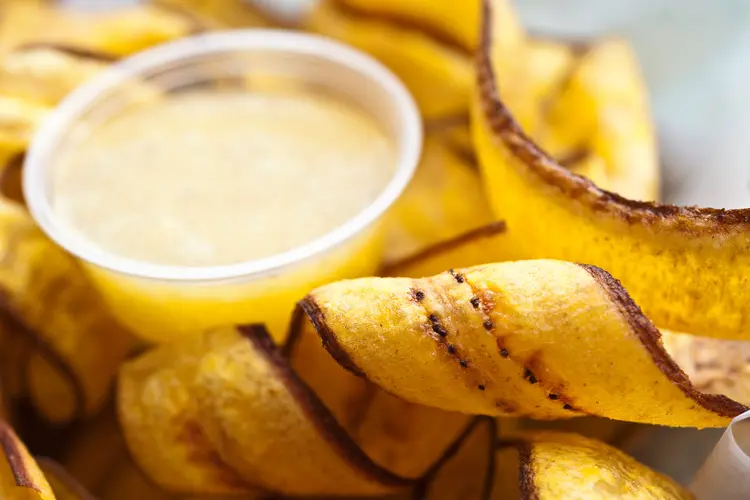
If your plantains have ripened and turned yellow, bake them in aluminum foil and use them in any dish where you want a slightly sweeter taste. Here are some ways to use plantains: Fried plantains Many cultures prepare plantains this way. They can be cooked differently to make many foods like tostones, or fried green smashed or flattened plantains, and maduros, or fried sweet plantains. How To Store PlantainsStore plantains at room temperature, and keep them away from sunlight. They should stay for 7-10 days. Once they're very ripe, you can put them in the refrigerator. Don't store them in a plastic bag. This seals in moisture and can make your plantains rot. (责任编辑:) |